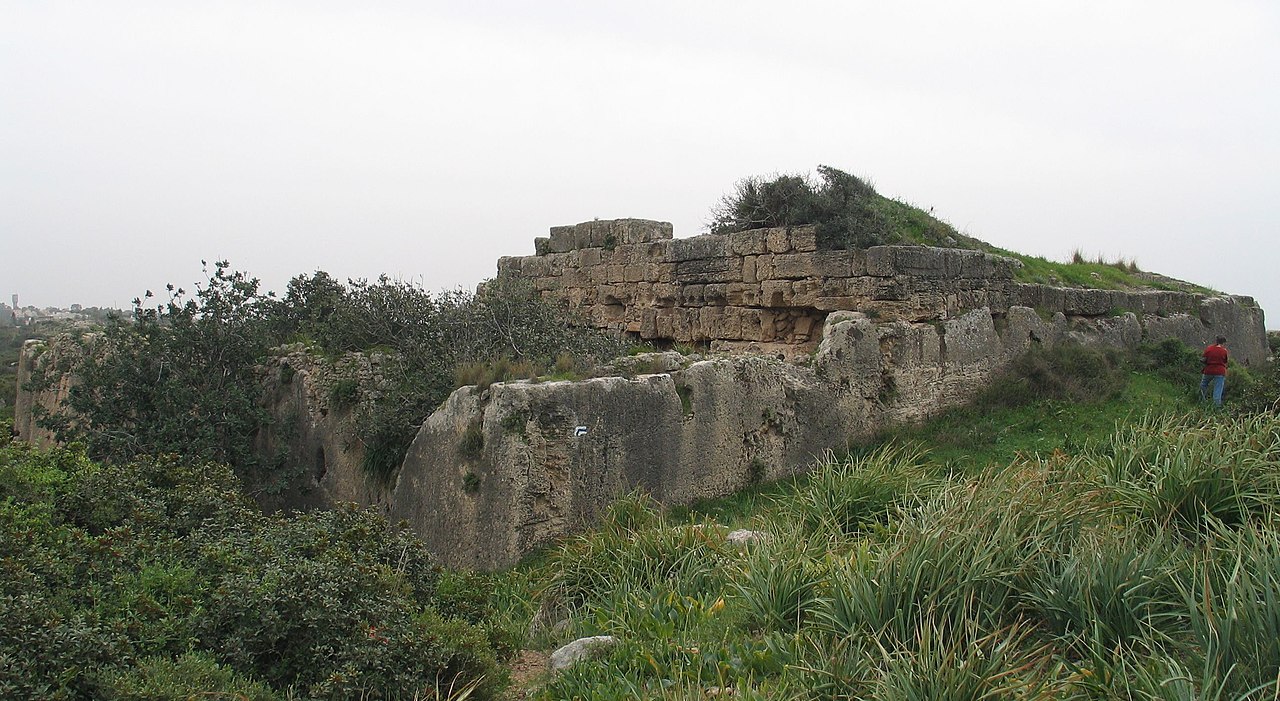
An earlier founding date of the Templar Order reconstructed

In his book Hugues de Payns en Orient (2019), François Gilet investigates many primary and other sources, after which he reaches a detailed renewed reconstruction of the founding years of the Knights Templar. Confronting all of the chronicles allows him to develop a synthesis of the beginnings of the Temple Order and to move the genesis of their predecessors, today called "proto-Templars", to the year 1115.

The Templar Cavalry Charge

Medieval fresco of a knight galloping with couched lance and cross shield, Cressac
The French Rule of the Templars reads in places like a cavalry manual. It says who may speak on the march, who carries the banner and when a brother may charge. How did a Templar charge work according to the Rule, and what did it ask of the knights?

Templar trials retold in a convincing historical novel

The Templar trials of 1307-1314 are well documented by their records which were investigated by many scientists. There are, for instance, Malcolm Barber's classic The Trial of the Templars (2006), Helen Nicholson's The Proceedings Against the Templars in the Britisch Isles (2011), and more recently Alain Demurger's The Persecution of the Knights Templar: Scandal, Torture, Trial (2015/2020). 

However accurate and descriptive these monumental scientific studies are, they focus mainly on the scientific facts, as they should. They are not intended to elaborate on how the people of the day, the Templars concerned in the first place, experienced, felt about and dealt with what happened. For this, historical fiction may come to the rescue, as far as it is sufficiently researched and based on historical data. A good example of such a novel is Non Nobis by Hanny Alders.

The Templar Rule, Its Multiple Origins and Long Development

Opening page of the prologue of the French Rule of the Templars in a thirteenth century manuscript
The Templar Rule was not written in one sitting. It began with a Latin text approved at Troyes and grew into a French rule of 686 articles, shaped by earlier practice, Cistercian influence and later decisions of the Order. Which parts go back to the first brothers, and which were added later?

Martyrologies and Legendaries, Local Roots of Medieval Templar Communities

Twelfth century Templar church in the village of Jabrun, Cantal, France
Templar commanderies are often pictured as outposts of one uniform international order. Their books suggest otherwise. Inventories drawn up after the arrests of 1307 to 1311 list martyrologies and legendaries that show which saints local brothers honoured and which rites they followed. What can these books tell us about the local roots of Templar communities?

The Templar Rule and the Prohibition of Chess, or Was It Dice?

Two men playing chess, miniature from the Libro de los juegos made for Alfonso X of Castile in 1283
Bernard of Clairvaux is often said to have banned chess among the Templars, yet the first Rule of 1129 says nothing about it. The ban stands in a much later article of the French Rule, tucked among regulations on wagers. Was it chess that the brothers could not play, or dice?

The Masonic Templar Link - Three Key Moments of a Myth

Portrait of Karl Gotthelf von Hund (1722 to 1776), founder of the Strict Observance
Did the Templars secretly live on inside Freemasonry? Many lodges once said so, and some rituals still tell it. Yet the earliest Masonic story of knightly origins did not mention the Templars at all. When, and through whom, did the Order of the Temple enter the lodges?

Templar Advisers to the Kings of France

Gisant, the recumbent tomb effigy, of King Philip the Fair in the Basilica of Saint-Denis
For almost its entire presence in France, the Temple enjoyed good relations with the Capetian kings. Brothers advised them, guarded their treasure and carried their confidential missions. What did the kings ask of the Templars, and did the friendship really sour before 1307?