
Beauty in Simplicity - How Cistercian Architecture Shaped the Medieval World

The Templars of Nieuwpoort and the Duvetorre

Little remains of the Templar presence in Nieuwpoort, a fishing town on the Belgian coast. A bequest from 1239, a mural uncovered behind a staircase in 1819, and a tower whose destruction is almost always misdated. What actually survives of this story once the errors are stripped away?
Political geography of the Low Countries 1000-1500

The different profiles of Templars and Hospitallers
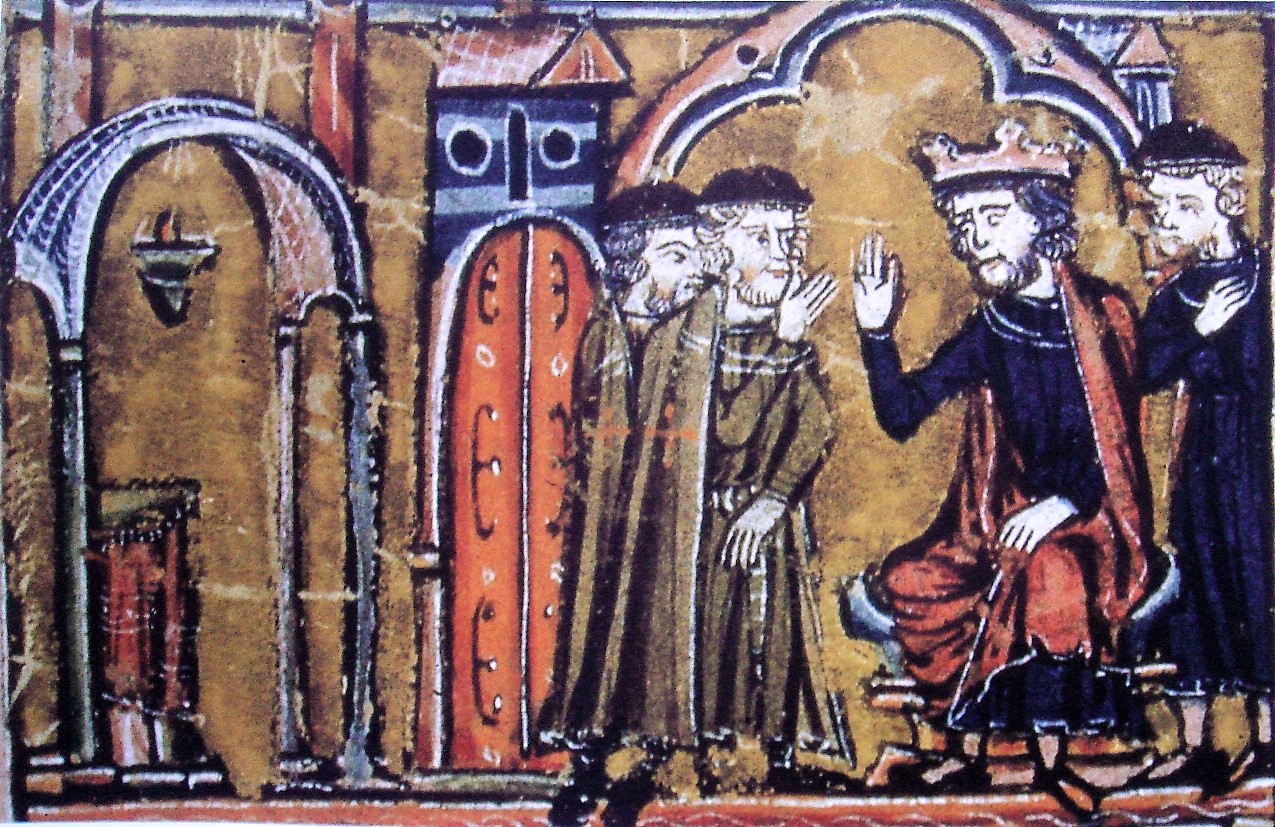
The Templars amongst the other people of Outremer

The Foundation of the Order of Knights Templar according to William of Tyre

The socio-economic system of the 10th to 12th century
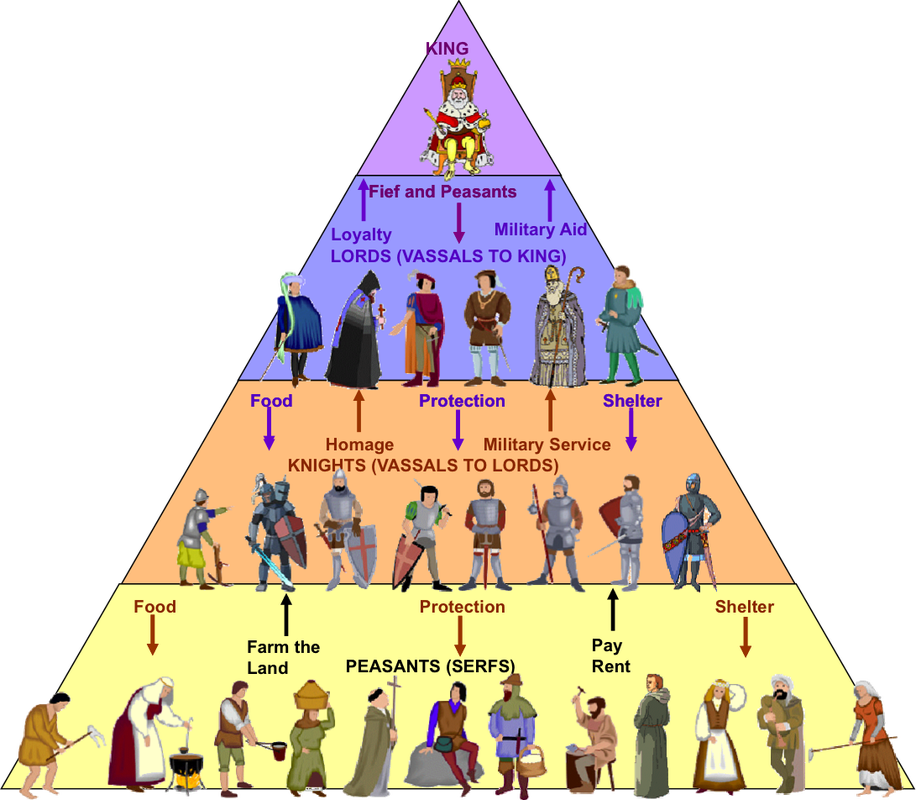
For a better understanding of the origin of the Medieval military Orders in general and the Knights templar in particular, it is necessary to understand the socio-economic system in the 9th to 12th century. What was it like?
Croatian President Josipović Receives Delegation of the Templar Order
The President of the Republic of Croatia, Ivo Josipović, received a delegation of dignitaries of the templar order O.S.M.T.H. who are participating in an international meeting of the Grand Magistral Council of the Order in Zagreb.
The Meeting assembled high-ranking representatives of the Order from over 20 countries of the world. Representatives of the Order informed the President of the Order’s rich history and operations in the world today. They made known to him endeavours and efforts for international peace, the Order’s humanitarian activities, as well as the promotion of intercultural and interreligious links and human rights. The Grand Master of the Order, General Patrick Rea, highlighted Croatia’s contribution in disseminating understanding and cooperation among peoples, which is one of the primary goals of the Order. President Josipović stressed the importance of building peace and bridges among peoples and cultures, and wished them success in their further work.
source text http://predsjednik.hr
March 18, 2014 - 700th Commemoration death of Jaques de Molay

Though little is known of his actual life and deeds except for his last years as Grand Master, he is the best known Templar, along with the Order's founder and first Grand Master, Hugues de Payens(1070–1136). Jacques de Molay's goal as Grand Master was to reform the Order, and adjust it to the situation in the Holy Land during the waning days of the Crusades.
As European support for the Crusades had dwindled, other forces were at work which sought to disband the Order and claim the wealth of the Templars as their own. King Philip IV of France, deeply in debt to the Templars, had De Molay and many other French Templars arrested in 1307 and tortured into making false confessions. When de Molay later retracted his confession, Philip had him executed by burning upon a scaffold on the Paris Ile des Juifs in the River Seine on 18 March 1314.
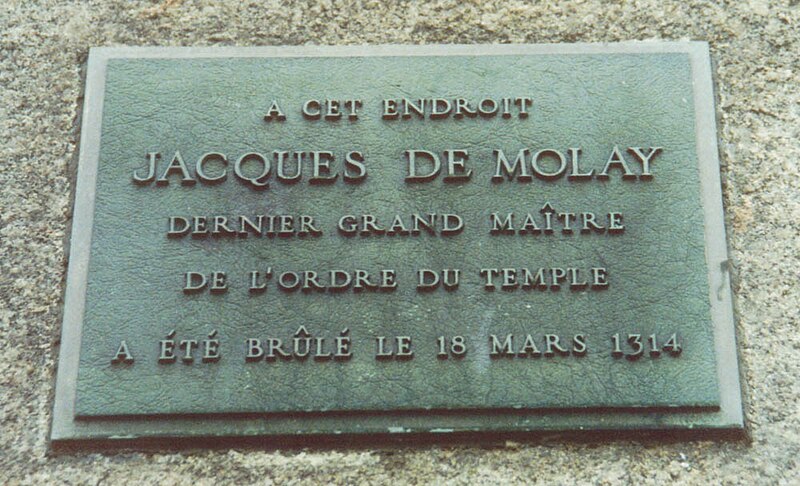 | |
| Death-site plaque of Jaques de Molay on Isle des Juifs, Paris |
Subscribe to:
Posts (Atom)