Financing the military orders in medieval times

"Ultimately the financial support of the military orders and the confraternities derived from the alms and legacies of the faithful. By his gift to one of the orders any Christian could share in the great enterprise and in the spiritual rewards promised to crusaders.

Financing the Crusades - the "lesser men" and their partnerships

The communal organization of the "lesser men", the middle classes, revealed itself in their crusades, which took now the character of a huge partnership, now that of a trading company, and now that of a state enterprise.

March 18, 2017, the 703rd anniversary death of Jacques de Molay

On March 18, 2017 we commemorated the 703rd anniversary of the death of the last official Grand Master of the Knights Templar, Jacques de Molay. De Molay, born in 1244 was put to death in Paris by the King of France on 18 March 1314. He was the 23rd and last Grand Master of the Knights Templar, leading the Order from 20 April 1292 until it was dissolved by order of Pope Clement V in 1307.

Though little is known of his actual life and deeds except for his last years as Grand Master, he is the best known Templar, along with the Order's founder and first Grand Master, Hugues de Payens (1070–1136). Jacques de Molay's goal as Grand Master was to reform the Order, and adjust it to the situation in the Holy Land during the waning days of the Crusades.

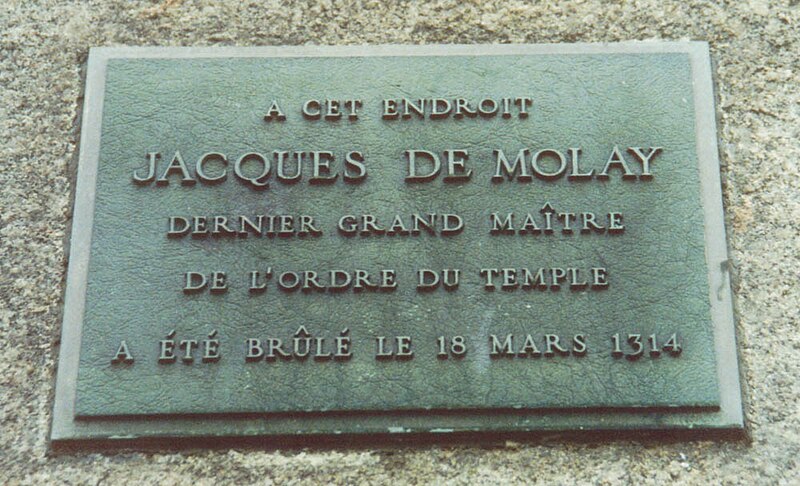
Death-site plaque of Jaques de Molay on Isle des Juifs, Paris
As European support for the Crusades had dwindled, other forces were at work which sought to disband the Order and claim the wealth of the Templars as their own. King Philip IV of France, deeply in debt to the Templars, had De Molay and many other French Templars arrested in 1307 and tortured into making false confessions. When de Molay later retracted his confession, Philip had him executed by burning upon a scaffold on the Paris Ile des Juifs in the River Seine on 18 March 1314.

source text and illustrations wikipedia.org

Support TemplarsNow™ by becoming a Patron, tipping us or buying one of our Reliable Books

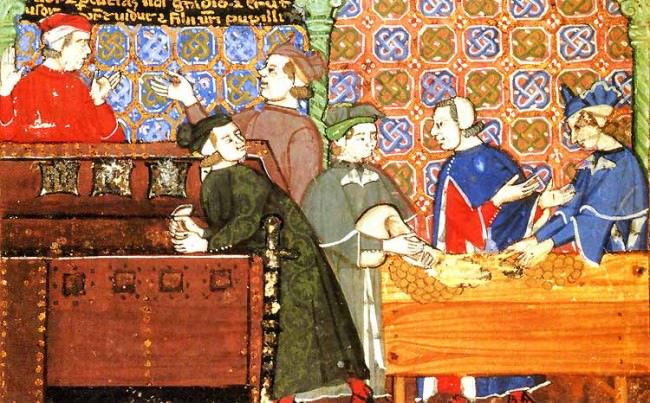
Financing the Crusades - mortgages, loans and gifts

"(It were) loans by which crusaders perhaps most commonly financed their journeys. They borrowed from kings and princes, from monasteries and bishops, from lay lords and merchants, from whoever had money to lend.
 

The life of Hugues Count of Champagne summarized

Born around 1074, Hugues was the third son of Thibaud I and Adèle of Valois. In 1089, his half-brother Etienne-Henri succeeded Thibaud I as the head of the Counties of Blois and Meaux. Four years later, on 1 January 1093, Hugues inherited his other brother's Eudes IV Counties of Troyes, Vitry and Bar-sur-Aube. Hugues in 1102 was the first to officially take the title of Count of Champagne. He also was the first to settle in Troyes. Hugues was to play an important role in Templar history.

"The Order of the Temple included women"

"The Order of the Temple included women. Within the first years of its existence many women took the Order’s oath, although they remained members of the lay persons’ Temple. 

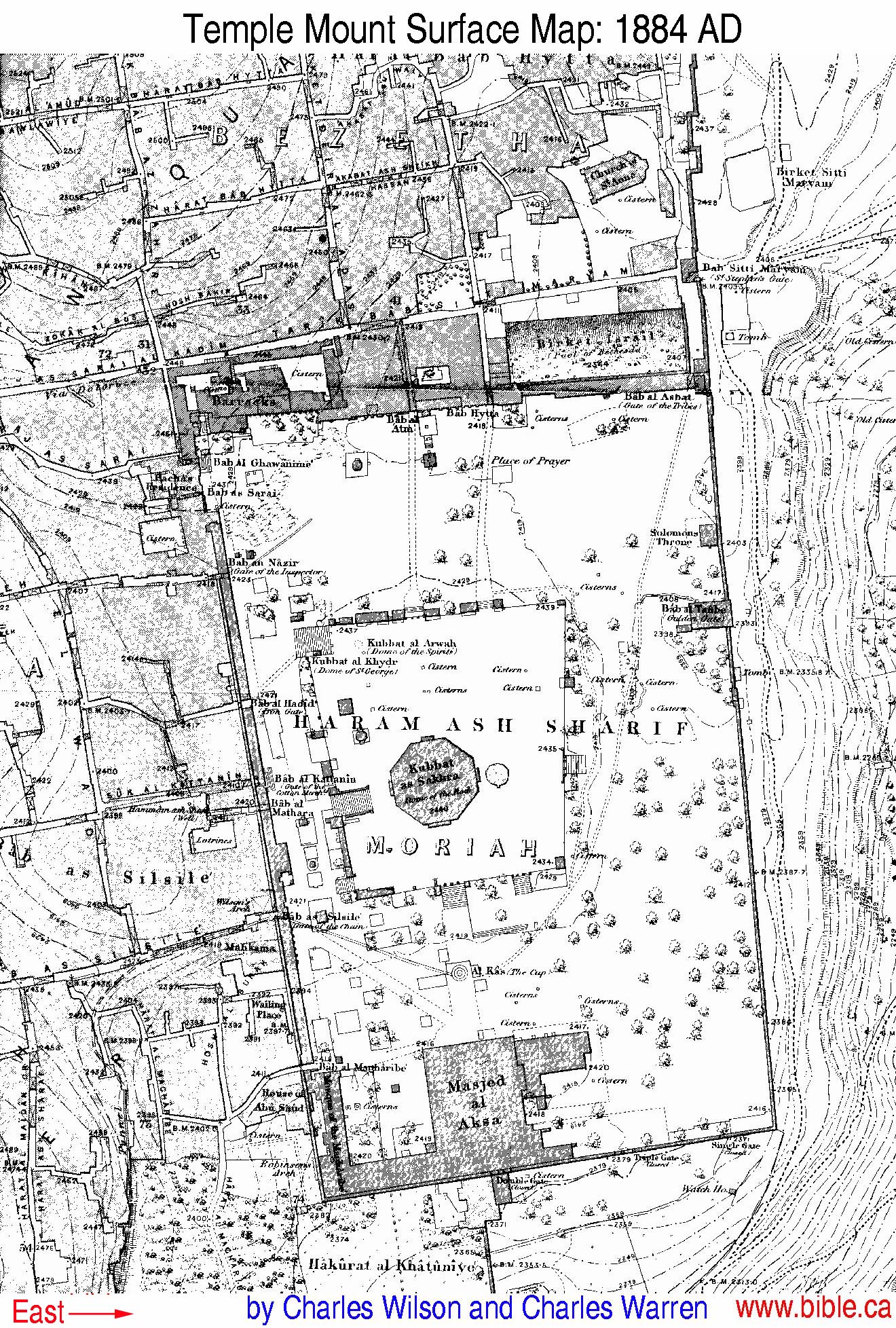
The site of first Templar House on Temple Mount, Jerusalem

The now Al-Aqsa mosque is the building that, with its surroundings, was in about 1120 made available by king Baldwin to the newly formed group of knights of the "Poor Fellow-Soldiers of Christ and of the Temple of Solomon", later simply called Templars. In 1845 Addison described its preceding history as follows.