"Sint Gummarus Processie" 21 November, 2018 at Lier, Belgium


Every year the city of Lier (Belgium) is celebrating its patron Saint St Gummarus by a procession. The Saint Gummarus procession takes place on the first Sunday after 10 October (Sint-Gummarus fair).

Sixteen members of the Society of the Bearers carry the silver reliquary of St. Gummarus, which weighs more than 800 kg, through the streets of Lier.

During the feast day of the Saint (11 October), pilgrims from everywhere world come to the Sint-Gummarus church to ask for healing of malfunctions and call in the Saint's help to stay free of fractures.

In pronouncing the blessing, the priest puts the belt of Saint Gummarus on the shoulders of the pilgrim, the ritual of laying the band. This refers to the story where Saint Gummarus healed a cut down tree by wrapping his belt around the trunk and bringing it back into bloom.


source text (in Dutch)


Support TemplarsNow™ by becoming a Patrontipping us or buying one of our Reliable Books


The Holy Sepulchre, cradle of the Knights Templar

"
According to a chronicle on the Templars’ beginnings, attributed to Ernoul, (...) the first Templars were a group of knights who had dedicated themselves to the Holy Sepulchre after the First Crusade. They realized that the country needed warriors, and criticized themselves for living an idle and comfortable life when they should be working. So they decided, with the permission of the prior of the Sepulchre, to elect a Master who could lead them in battle if necessary.

Templar and Hospitaller cooperation in the 12th century Orient

Contradictory views merit examination of the cooperation between the Templar and Hospitaller military orders buring the Crusades. The rules laid down by the Orders contain much information on their mode of coexistence in the East. 

The Templar navy - the early phase

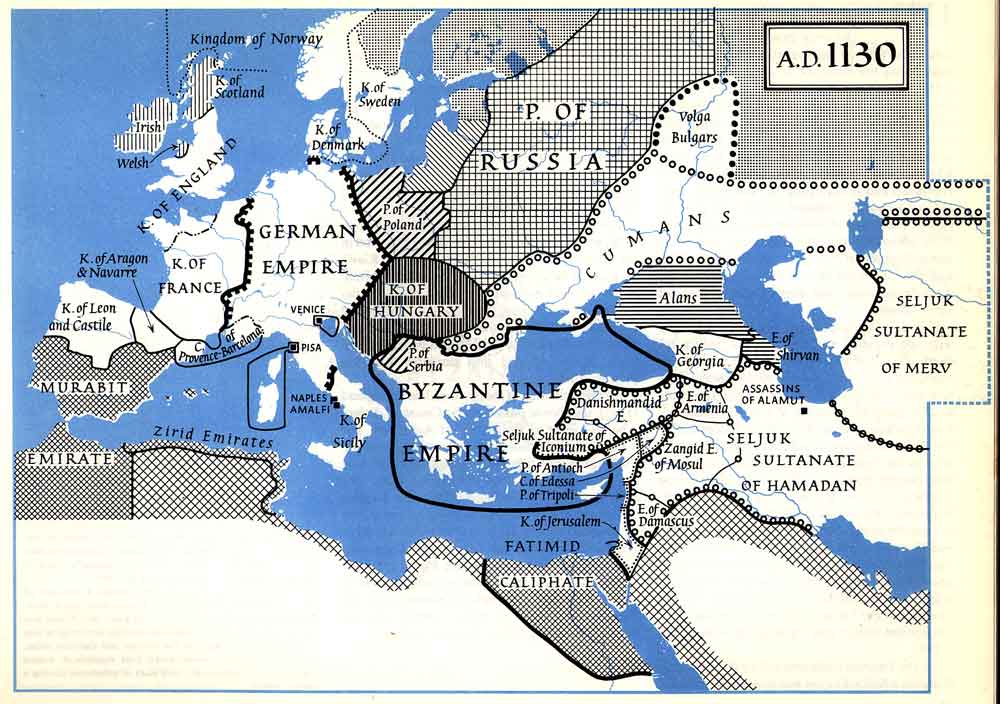
During the twelfth century the Frankish navy seems never to have passed an embryonic stage, which compelled the kings of Jerusalem to constantly search for external alliances. There was no direct reason for the Templars to invest in maritime activities in the Mediterranean and Eastern Europe directly after the First Crusade. Their first objective was pacification of the roads of the kingdom of Jerusalem, not its seaways. 

Development of the novelty of the right of clerical self-defense 1120-1176

Sometime between 14 January and 13 September 1120 (...) at the hands of Patriarch Warmund, Hugh of Payns, Godfrey of Saint-Omer, and certain other French knights pledged to live “more canonicorum regularium” (as regular canons, not monks, as is so commonly thought) and accordingly took vows of poverty, chastity, and obedience. In return, Warmund and his fellow bishops enjoined upon these consecrated knights, for the remission of their sins, the principal task of keeping roads and highways safe for pilgrims against thieves and highwaymen. (...) These new armed, consecrated knights, soon to be known as ‘Templars’, were revolutionary indeed and required nearly another twenty years before they were approved completely by Rome.

Nablus 1120 - the medieval ban of clergy bearing arms lifted

"Between 1049 and 1095, no fewer than thirteen councils and synods had damned clerical armsbearing. At nine of these thirteen assemblies, three different popes and six papal legates presided. The reforming papacy seemingly could not have been clearer on this issue. After that there is almost nothing in the decrees of the seven so-called ecumenical or general councils held between 1123 and 1312. (...)

Muslim-Christian alliance in early crusader times

Before and at the start of the First Crusade "An alliance existed between the Crusaders and the (muslim; TN) Fatimid rulers of Egypt (...) By the latter decades of the eleventh-century, these states (Byzantium and Fatimid Egypt; TN) had only known peace with each other in living memory, which is remarkable for the medieval world.

Development of ecclesiastical Templar legistlation

"The ecclesiastical legislative body by which the friars of the Temple govern themselves underwent many logical adaptations to suit the times, along its existence. In spite of this, they channeled themselves in two different and complimentary but equally valid points: on the one side papal bulls and on the other the general chapters.