
Interreligious protection of the “people of the book” - theory and practise

Economic and religious independence of the Knights Templar

The militarisation of the Hospitallers, mid 12th century
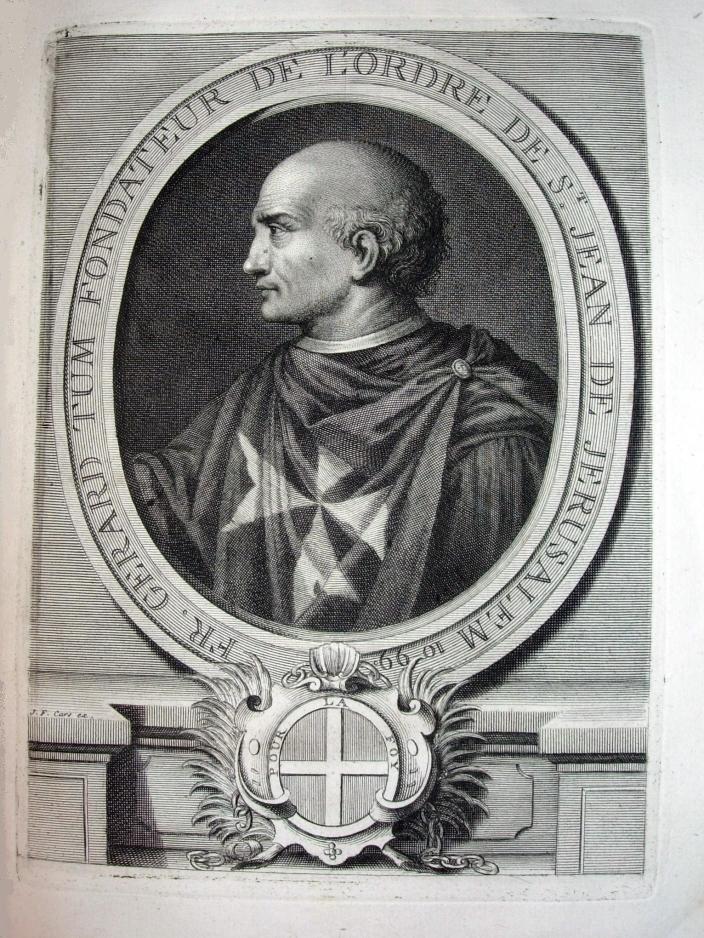
"Gerard, a native of Provence, was at this period (start of the 12th century; TN) at the head of the society (of the Hospital of St. John; TN), with the title of “Guardian of the Poor.” He was succeeded (A.D. 1118) by Raymond Dupuy, a knight of Dauphiné, who drew up a series of rules for the direction and government of his brethren. In these rules *) no traces are discoverable of the military spirit which afterwards animated the order of the Hospital of St. John. That changed.
Foundation of the Hospitallers of Saint John at the end of the 11th century

Papel bulls and the Knights Templar summarized

Great Priory Knights Templar International, Paris, 2012
Video of the Great Priory of the Knights Templar International Chapter of France held in Paris, 16-18 March 2012 "Remembering the Grand Prior of Jacques de Molay".
Souce YouTube.
Support TemplarsNow™ by becoming a Patron, tipping us or buying one of our Reliable Books
or other products at Amazon or Bol via our affiliate links amazon.com and bol.com
The Templar Seal

Promo-video OSMTH Knights Templar Belgium
Support TemplarsNow™ by becoming a Patron, tipping us or buying one of our Reliable Books
or other products at Amazon or Bol via our affiliate links amazon.com and bol.com
source
Knights Templar and Papal bulls: Militea Dei (1145)

Subscribe to:
Posts (Atom)