

In 910 count William I of Aquitaine founded the abbey of Cluny, and in a few decades Cluny became the center of a vast ecclesiastical nexus, closely controlled by the mother-house, which itself owed obedience to the papacy alone. The Cluniacs took an interest in pilgrimage, and soon organized the journey to the Spanish shrines.

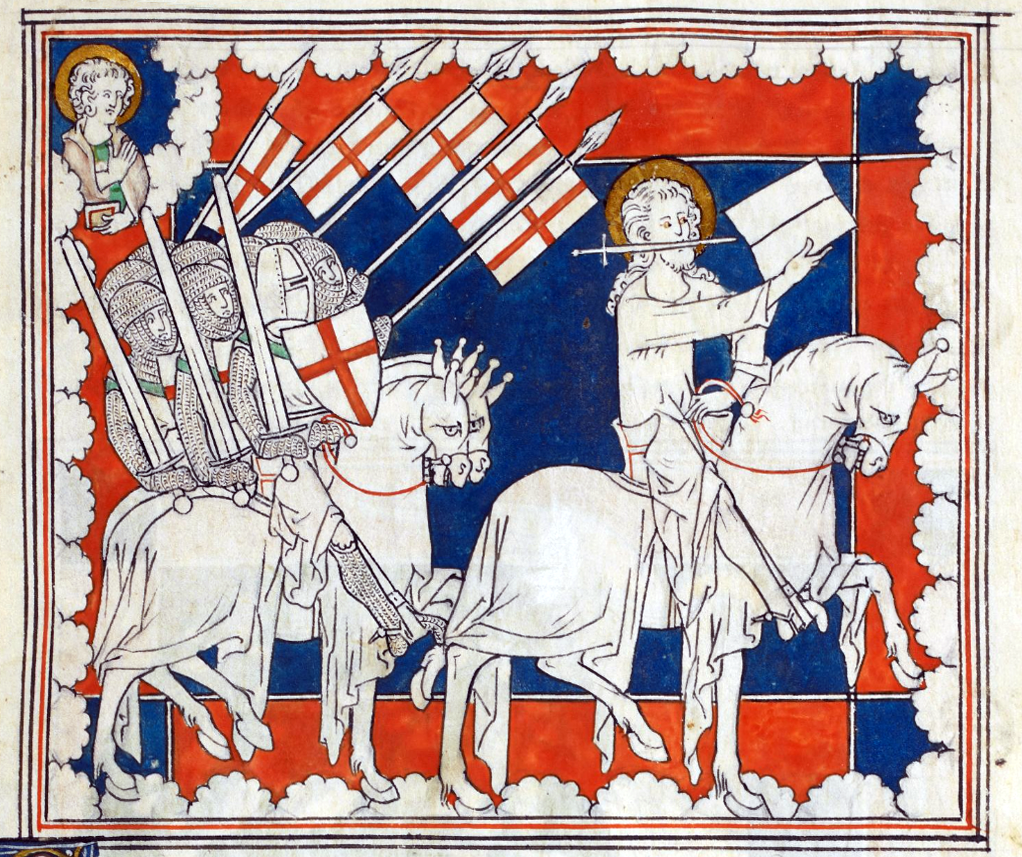
"The military religious orders were founded to fight on behalf of their fellow Christians, in defence of pilgrims and Christian territory. They fought alongside and supported the crusaders in the Holy Land. (...) In an era in which warriors who died fighting non-Christians were increasingly depicted as martyrs, it is not surprising that writers of the 1120s and 1130s associated the first knight-brothers with martyrdom. But as the Franks of the Holy Land met with division and defeat, how far did this imagery continue? Did outsiders continue to depict the brothers of the military orders in this way?


The expulsion of the Crusaders from the Holy Land in 1291 did not end Arab relations with Western European Christians. Western monks, most notably the Franciscans, continued to live among the Muslims in the Holy Land. The nature of the relations of the Franciscans with the Mamluks serves as an interesting counterpoint to earlier Arab views on the Military Orders.
